
Lower rate potential
A lower rate may reduce monthly payment or total interest, but closing costs and break-even timing still matter.
Learn how refinancing works, when it may make sense, and what borrowers should consider before replacing an existing home loan.
Mortgage refinancing means replacing an existing mortgage with a new loan. Borrowers may refinance to change their interest rate, adjust loan term, switch loan type, access home equity, or restructure monthly payments.
In 2026, refinancing decisions should be reviewed carefully because the best choice depends on the borrower’s current loan, available rates, closing costs, remaining loan term, home equity, credit profile, and how long they plan to keep the property.
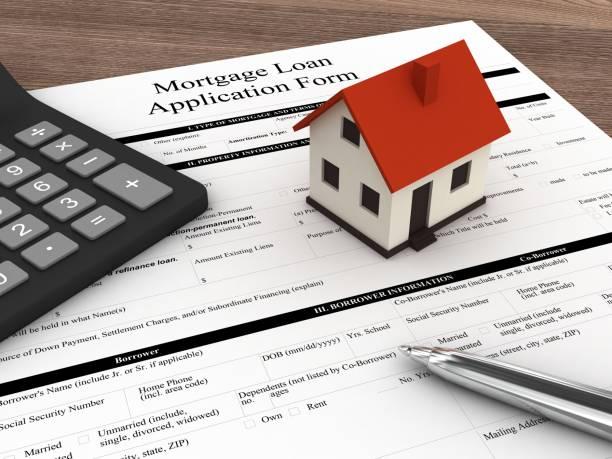
A lower rate may reduce monthly payment or total interest, but closing costs and break-even timing still matter.

Some borrowers refinance into a shorter term to reduce long-term interest or a longer term to lower monthly payment.

A cash-out refinance may allow access to equity, but it increases debt and should be reviewed carefully.
A refinance offer should be compared beyond the monthly payment. Borrowers should review total loan cost, closing fees, rate type, term length, and how long it takes to recover upfront costs.


Lenders may request updated borrower and property information before approving a refinance. Requirements vary by lender and loan type.
Refinancing is not automatically beneficial. If closing costs are high, the new rate is not meaningfully better, or the borrower plans to sell soon, the savings may not justify the cost. Resetting a long loan term can also increase total interest even if the monthly payment falls.
Before refinancing, compare the new loan estimate with the current loan, calculate break-even timing, and consider whether the refinance supports the borrower’s long-term goals.

It means replacing an existing mortgage with a new loan, usually to change rate, term, payment, or loan structure.
Consider refinancing when the new loan supports your goals after reviewing rate, closing costs, break-even point, and long-term plans.
Yes. Credit score and borrower profile can affect eligibility, pricing, and available refinance options.
No. This page is general education only. Borrowers should speak with licensed professionals before making personal decisions.